

If you are a corporate marketing manager in Nigeria evaluating SEO service providers, you already know the frustration: every agency claims they can get you to page one, half of them promise it within 30 days, and none of them will tell you what they are actually doing each month until the invoice arrives. This post breaks down what professional SEO services in Nigeria should include, what a realistic month-by-month engagement looks like, and how to set expectations your leadership team can defend without flinching.
Think of this as the document you hand your CFO when they ask why SEO costs ₦500,000 a month and does not produce a sales spike in week two. For a broader view of how SEO pricing fits into the wider digital marketing landscape, our naira price breakdown of digital marketing costs in Nigeria covers SEO alongside paid ads, social media, and web design.
What Professional SEO Services Actually Include
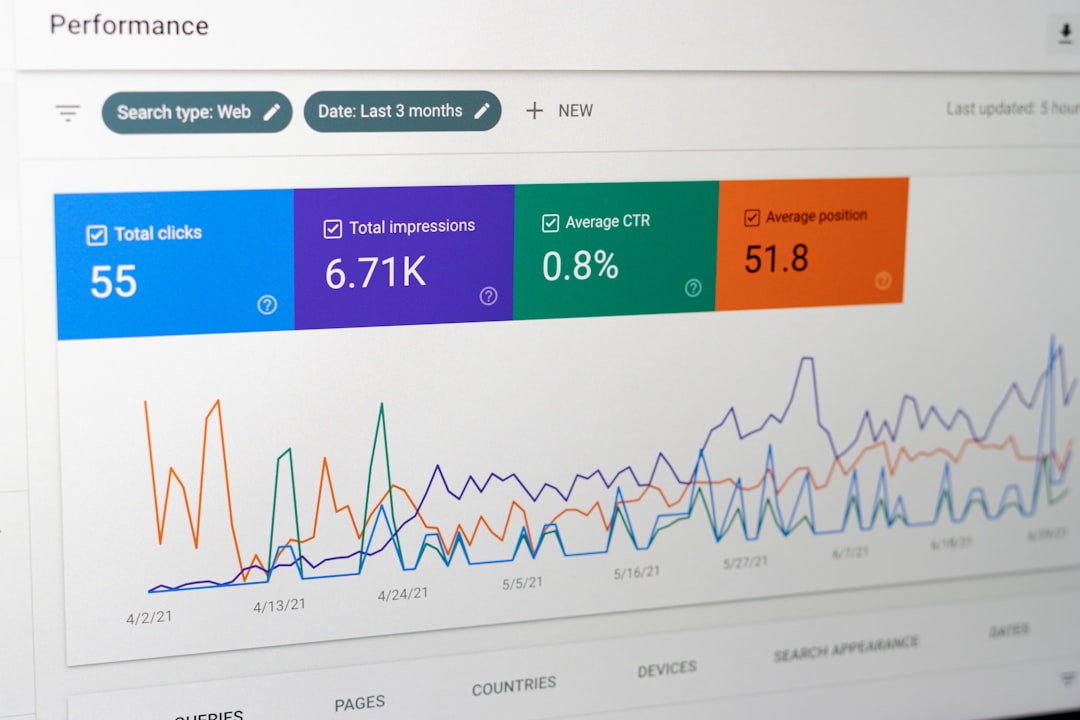
A legitimate SEO engagement is not one activity. It is five distinct workstreams running in parallel: technical auditing, keyword research, on-page optimization, content production, and link building. Any provider who reduces SEO to "we will optimize your website" without itemizing these five tracks is either oversimplifying to close the sale or does not understand the discipline well enough to manage it properly.
Technical SEO Audit

Before any content is written or any keyword is targeted, the provider must crawl your website the same way Google does. This means checking for crawl errors, broken links, indexing issues, page speed problems, mobile responsiveness failures, structured data gaps, and duplicate content. For a corporate site with hundreds of pages, this audit alone can take two to three weeks. The deliverable is a prioritized issue list ranked by impact, not a generic PDF that says "your site needs improvement."
Keyword Research and Strategy
Keyword research in the Nigerian context is not about plugging your industry into a tool and exporting a spreadsheet. It is about understanding how your actual customers search: whether they use Nigerian English spellings, whether they include location modifiers like "in Lagos" or "in Abuja," whether they search in Pidgin, and what intent sits behind each query. A corporate marketing manager should expect a keyword map that groups terms by funnel stage (informational, comparison, transactional) and ties each cluster to a specific page or content asset on your site.
On-Page Optimization
This is the systematic process of updating title tags, meta descriptions, header structures, internal linking, image alt text, and content alignment for each target page. It is unglamorous and time-consuming, especially on large corporate sites where every change may need approval from IT, legal, or brand. Your provider should deliver a per-page checklist of changes and track which ones have been implemented versus which are pending. If they cannot show you this checklist, they are not managing on-page SEO, they are guessing at it.
Content Production
Content is the engine of organic growth. A professional SEO engagement includes a content calendar driven by keyword gap analysis and search intent, not by whatever the writer felt like writing that week. For a mid-size Nigerian business, expect two to four SEO-optimized articles per month at minimum. For enterprise clients in competitive niches like finance, real estate, or healthcare, that number can climb to eight or more. Each piece should target a specific keyword cluster, include internal links to relevant product or service pages, and be long enough to comprehensively answer the search query.
Link Building
This is where most SEO engagements in Nigeria either deliver real value or cut corners. Quality link building means acquiring backlinks from relevant, authoritative Nigerian and international websites through outreach, digital PR, guest posting, and partnerships. It does not mean buying ₦500 links from a Fiverr seller or submitting your site to 200 low-quality directories. A transparent provider will show you their link building methodology, the domains they are targeting, and the links acquired each month with the domain authority of each linking site.
Month-by-Month: What to Expect
SEO is not a switch you flip. It is a compounding process that builds momentum over months. If your leadership team expects results in 30 days, you need this table in your next board deck. Here is what a professional SEO engagement actually looks like from month one through month six and beyond.
| Month | Primary Focus | Key Deliverables | What You Should See |
|---|---|---|---|
| Month 1 | Technical audit and keyword strategy | Full site crawl, prioritized issue list, keyword map, competitive analysis | A documented audit report and a keyword strategy document, not just a kickoff call |
| Month 2 | Technical fixes and on-page optimization | Implementation of critical technical fixes, title/meta updates on top 20 pages, internal linking structure | Visible changes to your site's meta tags, faster page load times, fixed crawl errors in Google Search Console |
| Month 3 | Content production begins | First batch of 2-4 SEO articles published, Google Business Profile optimization, initial local SEO setup | New indexed pages in Google Search Console, early ranking movement for low-competition keywords |
| Month 4 | Content scaling and link building kickoff | 4-6 articles published, first outreach campaign launched, existing content refreshed | Ranking improvements for target keywords, first acquired backlinks reported, organic traffic beginning to climb |
| Month 5 | Link building acceleration and content iteration | Ongoing content production, 5-10 quality backlinks acquired, conversion tracking refined | Clear upward trend in organic traffic, rankings moving from page 3-4 to page 2 for mid-competition keywords |
| Month 6 | Review, strategy refinement, and scaling | Comprehensive 6-month report, strategy adjustment, content production scaled based on what is working | Measurable organic traffic growth, page-one rankings for low-to-medium competition keywords, lead attribution from organic search |
Here is what your CFO needs to understand from this table: months one and two are foundation work. You will not see traffic spikes. If your agency is doing the job properly, months one and two are spent fixing what is broken and building the strategy. Traffic growth typically begins in month three, becomes measurable in month four, and is undeniable by month six. Any provider who skips the foundation work to show you early rankings is either targeting keywords nobody searches for or using tactics that will get your site penalized later.
How SEO Success Is Measured in Nigeria
The metrics that matter for a corporate marketing manager in Nigeria are not the metrics most agencies report. Follower counts, "reach," and "impressions" are social media metrics that have no place in an SEO report. What you need to track, and what your provider should be reporting on, falls into four categories.
Organic Traffic Growth
This is the number of visitors arriving at your site through unpaid Google searches. It is measured in Google Analytics (or Google Search Console) and should be tracked month over month, not as a vanity total. What matters is the trend: is organic traffic growing compared to the previous month and the same period last year? A healthy SEO engagement shows a steady upward curve, not a spike followed by a plateau.
Keyword Ranking Positions
Your provider should track the ranking positions of your target keywords and report changes monthly. The metrics that matter are average position, number of keywords on page one, and number of keywords in the top three positions. Beware of agencies that only report on a handful of easy keywords they hand-picked to look good. You want to see movement across your full target keyword set, including the competitive ones.
Lead and Revenue Attribution
This is the metric your CFO actually cares about. How many leads, form submissions, phone calls, or sales came from organic search? This requires setting up goal tracking in Google Analytics and, for more advanced attribution, connecting your CRM. If your provider cannot answer the question "how much revenue did organic search generate last month," they are reporting on activity, not outcomes.
Backlink Profile Quality
Each month, your provider should report the number and quality of backlinks acquired. Quality is measured by the domain authority (or domain rating) of the linking site and the relevance of the linking page to your business. Five backlinks from relevant Nigerian business blogs and industry publications are worth more than 50 backlinks from spammy web directories. If your provider reports "50 backlinks built this month" without context on domain quality, they are padding the number.
What Good SEO Reporting Looks Like
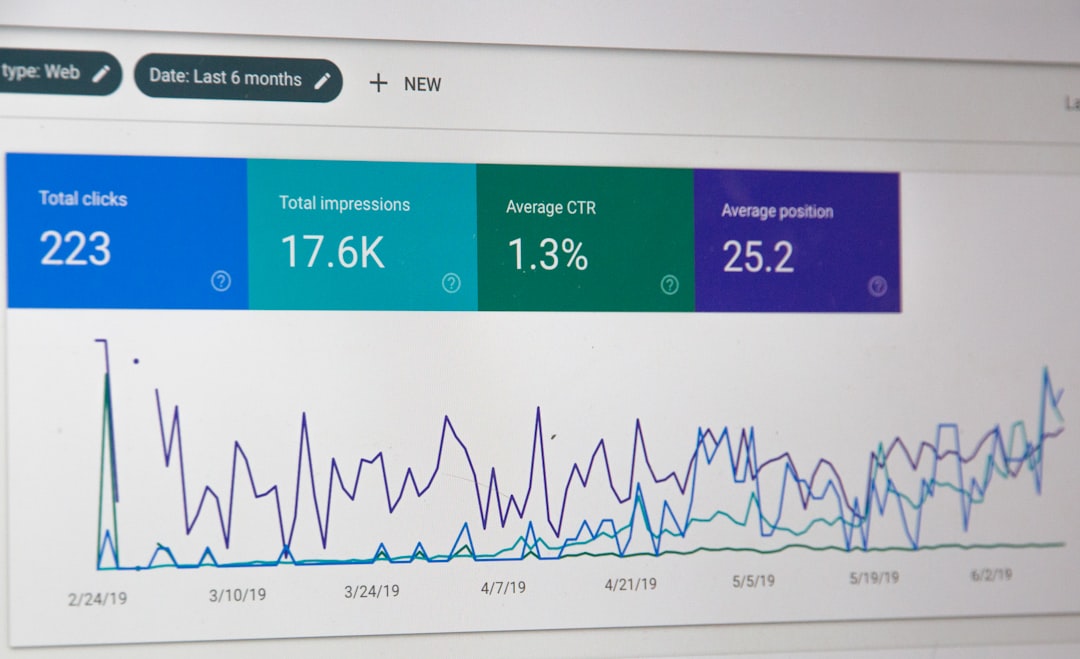
Good SEO reporting gives you enough detail to defend the investment to your leadership team without drowning you in data nobody reads. A professional monthly SEO report should include five sections, and your provider should walk you through it on a call, not just email a PDF and disappear.
Executive Summary
A one-page summary answering three questions: What did we do this month? What moved? What are we doing next month? This is the page you forward to your CEO. It should be written in plain language, not SEO jargon, and it should connect activity to business outcomes wherever possible.
Traffic and Ranking Data
Organic traffic month over month, top landing pages by organic traffic, keyword ranking movements (up, down, new entries), and comparison to the previous period. Charts should be clear, labeled, and not manipulated to exaggerate growth.
Work Completed
A checklist of what was actually done: technical fixes implemented, pages optimized, content published (with URLs), links acquired (with linking domains). This is your accountability mechanism. If the report says "content production ongoing" but lists zero published URLs, nothing was published.
Conversion and Lead Data
Goals completed, conversion rate from organic traffic, cost per organic lead (if you are tracking spend against SEO fees), and revenue attributed to organic search. This section is what separates a professional SEO provider from a content mill. If it is missing, ask why.
Next Month's Plan
What is planned for the coming month: which keywords are being targeted, what content is being produced, what technical issues are being addressed, what link building campaigns are running. This forward-looking section lets you manage expectations internally and hold the provider accountable.
Misconceptions That Set Wrong Expectations
Every corporate marketing manager who has ever pitched an SEO budget to a Nigerian leadership team has run into the same set of misconceptions. These are the ones that derail otherwise good engagements, and the responses you need to counter them.
"We should be ranking number one by now"
SEO is a competitive sport. You are not just optimizing your site, you are competing against every other business targeting the same keywords. A site that has been building authority for five years does not get displaced in three months by a new SEO campaign, no matter how well executed. Realistic expectation: meaningful ranking improvements in 4 to 6 months, competitive keyword dominance in 9 to 18 months.
"My cousin said SEO is dead"
SEO is not dead. It has evolved. The version of SEO that was "dead" was keyword stuffing and link buying, tactics that stopped working a decade ago. Modern SEO is about building a genuinely useful website that answers search queries better than your competitors. Google processes over 8 billion searches per day. None of that traffic goes to social media. If your business is not visible in search, you are invisible to the majority of Nigerian buyers researching before they purchase.
"The agency promised page one in 30 days"
Any agency that promises specific rankings in a specific timeframe is either lying or planning to use tactics that will damage your site long-term. Google's own guidance explicitly states that no SEO provider can guarantee rankings, because Google's algorithm considers over 200 factors and updates constantly. What a professional provider guarantees is the process: the audits, the optimization, the content, the link building, the reporting. The rankings follow the process, not the promise.
"We can just run Google Ads instead"
Paid ads and SEO are not substitutes for each other. Ads give you instant visibility that disappears the moment you stop paying. SEO builds an owned asset that continues generating traffic and leads long after the initial investment. A corporate marketing strategy that relies entirely on paid traffic is renting its visibility. One that includes SEO is building equity. The strongest programs run both, with paid ads covering the gap while SEO builds momentum.
If you are still evaluating providers and want a framework for separating legitimate agencies from pretenders, our guide on how to hire a digital marketer in Nigeria without getting scammed includes a verification checklist, red flags, and contract clauses that protect your budget.
Let's Talk About Your SEO Goals
If you are a corporate marketing manager building the case for SEO investment, you need a provider who can help you set realistic expectations internally, not one who overpromises to win the account. We work with Nigerian businesses to build transparent, accountable SEO engagements with clear deliverables, honest timelines, and reporting your leadership team can actually use. No mystery metrics, no guaranteed rankings, no 30-day promises.
We are available for a no-pressure conversation about your goals, your competitive landscape, and what a realistic timeline looks like for your business. We will review your current site, talk through what is working and what is not, and give you an honest assessment of what SEO can deliver for your specific situation. No deposit required, no pressure to commit, just a straightforward conversation about whether we are the right fit. Reach out through our contact page and we will respond within one business day.
Frequently Asked Questions
How long does SEO take to show results in Nigeria?
Realistic SEO timelines show meaningful ranking improvements in 4 to 6 months and competitive keyword dominance in 9 to 18 months. Local SEO, like ranking in the Google Map Pack for your city, can show results faster, sometimes within 2 to 3 months. Any provider promising page-one rankings in 30 days is not being honest about how search algorithms work.
What should a professional SEO agency deliver each month?
A professional SEO agency should deliver a monthly report covering organic traffic changes, keyword ranking movements, work completed (technical fixes, content published with URLs, backlinks acquired with linking domains), conversion or lead data from organic search, and a plan for the coming month. If the report lists activity without outcomes, it is incomplete.
How much do SEO services cost in Nigeria for a corporate business?
For a mid-size to enterprise business in Nigeria, professional SEO services typically range from ₦150,000 to ₦2,000,000+ per month depending on scope, industry competitiveness, and the depth of content production and link building required. Management fees are separate from any paid advertising budget. Always confirm whether quoted prices are VAT-inclusive.
Can an SEO agency guarantee page-one rankings on Google?
No. Google's own guidance states that no SEO provider can guarantee specific rankings because the algorithm considers over 200 factors and updates constantly. A professional provider guarantees the process: technical audits, on-page optimization, content production, link building, and transparent reporting. Rankings follow the process, not a promise.
What is the difference between SEO and Google Ads for a Nigerian business?
Google Ads give you instant visibility that stops the moment you stop paying. SEO builds an owned asset that continues generating organic traffic and leads long after the initial investment. Paid ads and SEO are complementary, not substitutes. The strongest programs run both, with paid ads covering the visibility gap while SEO builds long-term momentum.