
If you have ₦500,000 a month to spend on marketing and you are choosing between SEO and Google Ads, the decision is not about which channel is "better." It is about which one matches your timeline, your industry, and how long your money lasts before it needs to produce revenue. A Surulere boutique and a Yaba fintech will answer this question differently, and the reasons why are the entire point of this article.
Here is the short version. Google Ads buys you immediate visibility on the day you launch your campaign. If your budget runs out, that visibility vanishes. SEO builds an owned asset: pages on your website that rank in Google search results and keep sending traffic whether you spend money that month or not. The trade-off is time. SEO takes four to six months to show measurable results in Nigeria. Google Ads takes hours. The question for a startup with ₦500k is not which one works. Both work. The question is which one works before you run out of runway.
The Real Question: Speed vs Sustainability
Think of this as the document you hand your co-founder when you are arguing about where to put the first ₦500,000. The mistake most Nigerian startup founders make is treating SEO and Google Ads as competitors. They are not. They serve different stages of the same business, and understanding what each one buys you at month one versus month six is what separates founders who scale from founders who burn cash.
What ₦500k Buys in Month One
With Google Ads, ₦500,000 in month one buys you live campaigns within 48 hours. Assuming an average cost-per-click in Nigeria of ₦500 to ₦2,000 for most commercial keywords, per Jocintek's 2025 PPC cost guide for Nigeria, that budget generates roughly 250 to 1,000 clicks in the first month. If your landing page converts at 3%, you are looking at 7 to 30 leads or sales in month one. You can measure which keywords convert, which ad copy resonates, and which landing pages work, all before the first month ends. That data is valuable whether you continue with ads or shift to SEO later.
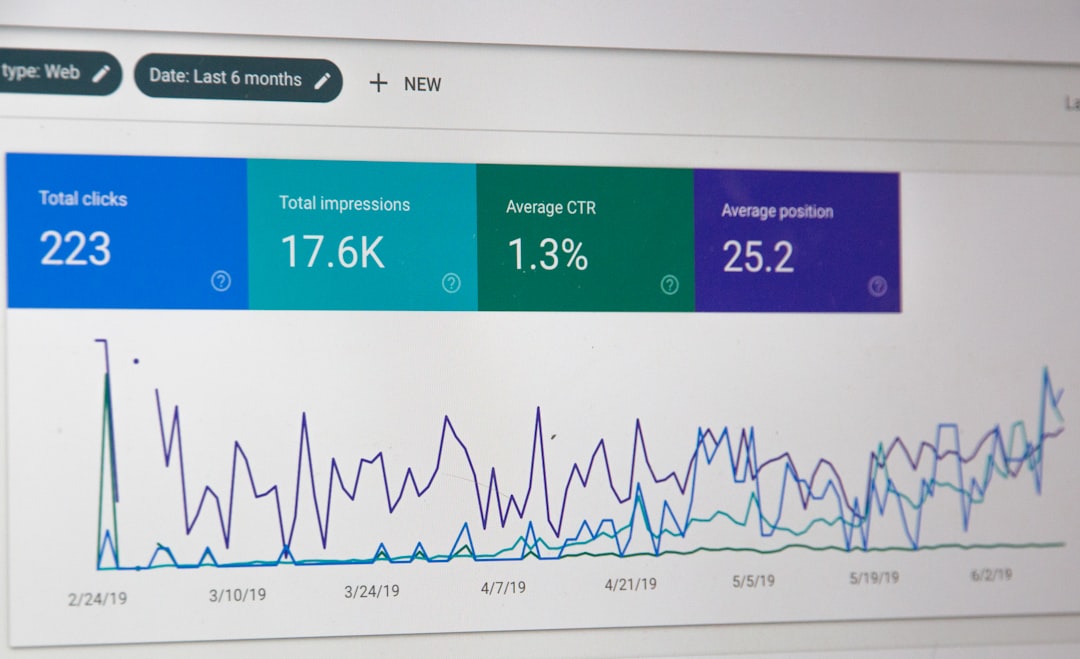
With SEO, ₦500,000 in month one buys you foundation work: a technical audit, keyword research, on-page optimization, and the first batch of content. You will see zero new traffic from SEO in month one. Possibly nothing measurable in month two either. This is not a failure of the channel. It is how the channel works. For a detailed breakdown of what each month of an SEO engagement should produce, our guide to SEO services in Nigeria month by month maps out deliverables from month one through six and beyond.
What ₦500k Buys in Month Six
Here is where the math changes. By month six, your Google Ads budget is still ₦500,000 per month, and your cost-per-click has likely increased as competitors enter the auction or Google raises minimum bids. You have spent ₦3,000,000 total. The day you stop paying, your traffic drops to zero. Every naira you spent on ads is a sunk cost with no residual asset.
By month six of SEO, you have also spent ₦3,000,000, but you now own a growing library of indexed pages, ranking keywords, and backlinks. Your organic traffic is climbing. If you pause SEO spend in month seven, that traffic does not disappear. It degrades slowly over months as competitors catch up and content goes stale, but the asset keeps producing. This is the compounding effect that makes SEO the cheaper channel over a 12 to 18 month horizon, even though it is the more expensive one in the first 90 days.
The Surulere Boutique vs the Yaba Fintech

Consider a boutique in Surulere selling women's fashion. Monthly search volume for "boutique in Surulere" or "buy dresses in Lagos" is modest. The audience discovers new fashion brands through Instagram, not Google search. For this business, ₦500,000 spent on Google Ads Search campaigns would burn through budget on low-intent clicks that rarely convert to sales. The smarter play is local SEO: a verified Google Business Profile, customer reviews, and location-based content that captures the smaller but higher-intent pool of people actively searching for fashion shops nearby. If you run a local service or retail business, our Google Business Profile setup guide for Nigerian businesses walks through the local SEO foundation that costs nothing but time.
Now consider a fintech in Yaba offering B2B payment APIs. The search volume for "payment gateway Nigeria" or "paystack alternative" is substantial, and the commercial intent is high. A single converted lead could be worth hundreds of thousands of naira in annual contract value. For this business, Google Ads makes immediate sense because the cost-per-click, even at ₦1,000 to ₦2,000 for financial services keywords, is justified by the lifetime value of each customer. The fintech should run ads and build SEO simultaneously, because organic rankings for fintech keywords compound into a durable acquisition channel that eventually reduces reliance on paid traffic.
SEO vs Google Ads: Head-to-Head Comparison
Here is the side-by-side framework you can copy into a board deck or a co-founder conversation. Every row reflects Nigerian market conditions, not generic advice from a global blog.
| Factor | SEO | Google Ads |
|---|---|---|
| Timeline to results | 4 to 6 months for measurable traffic; 9 to 18 months for competitive keyword dominance | 48 hours to first click; first week to measurable conversions |
| Cost structure | Monthly retainer (₦150k to ₦500k for mid-size). Spend builds an owned asset that keeps producing after you stop paying | Pay-per-click. Spend stops producing the instant you pause campaigns. CPC in Nigeria ranges from ₦500 to ₦2,000+ for commercial keywords |
| Traffic control | You earn rankings through content and authority. You cannot pay to jump the queue, but once you rank, traffic is stable and predictable | You control exactly which keywords trigger your ads, what the ad says, and where the visitor lands. Total control, but it costs you every day |
| Trust signals | Organic results carry implicit trust. Nigerian searchers click organic results more readily than ads, especially for research-stage queries | Ads are labeled "Sponsored." Some Nigerian users skip past them, but for high-commercial-intent searches (buy, hire, apply), clicks still convert well |
| Ideal use case | Local service businesses, content-driven brands, long sales cycles, niches with moderate search volume where organic competition is still weak | Product launches, time-sensitive promos, demand testing, B2B lead generation, high-LTV products where one conversion justifies high CPC |
One Nigerian market reality that tilts this table: most local competitors are still running unoptimized ads. They target broad keywords, use generic ad copy, and send traffic to homepage URLs instead of dedicated landing pages. This means a startup that invests in proper ad structure and landing page optimization can outperform competitors spending two or three times as much. The same applies to SEO: most Nigerian business websites have fundamental technical issues, no content strategy, and zero link building. The competitive bar for organic search is lower than most founders assume, which is why SEO done properly tends to produce outsized results in the Nigerian market specifically.
When Google Ads Makes More Sense for Your Startup
Google Ads wins when speed matters more than sustainability. If your startup needs revenue in the next 30 to 90 days, SEO will not help you. Here are the specific scenarios where paid search is the right first call.
Product Launches and Demand Testing
If you are launching a new product and do not know whether people search for it, Google Ads is the fastest way to find out. Run a tightly scoped campaign targeting the keywords you think your customers use, set a modest daily budget of ₦5,000 to ₦15,000, and watch what happens over two weeks. The search terms report tells you the actual queries people typed before clicking. That data is worth more than any keyword research tool, because it reflects real Nigerian search behavior, not global averages. After two weeks, you know which keywords convert and which landing pages work. You can then feed that data into your SEO content strategy so you are building organic pages around proven converters, not guesses.
Time-Sensitive Promotions
If you are running a promo for a specific season or event, SEO is too slow to be useful. A Ramadan sale, a back-to-school campaign, or a product drop that lasts two weeks needs immediate visibility. Google Ads lets you turn traffic on and off like a tap. Spend for the duration of the promo, pause when it ends. SEO cannot do this. By the time your organic page ranks for the promo keyword, the promo is over.
B2B Lead Generation With High Contract Value
The Yaba fintech example illustrates this. If one converted customer is worth ₦500,000 in annual revenue, you can afford to pay ₦2,000 per click and still make the math work at a 5% conversion rate. B2B services, SaaS, legal consulting, and financial services all fall into this category. The key metric is not cost-per-click but cost-per-acquisition relative to customer lifetime value. If your LTV justifies the CPC, Google Ads is a cash machine. If your LTV is low, the same channel will bleed you dry.
When SEO Is the Smarter Long-Term Bet

SEO wins when you can afford to wait and the asset you build keeps compounding. Here is when organic search is the better allocation of your ₦500k.
Compounding Traffic That Reduces Acquisition Cost Over Time
Every article you publish, every page you optimize, and every backlink you earn adds to a permanent library. Month one: you have 5 ranking pages. Month six: 30 pages. Month twelve: 80 pages, each generating traffic independently. Your cost-per-organic-visitor drops every month because the content you already paid for keeps working. With Google Ads, your cost-per-visitor is fixed or rising. The crossover point, where SEO becomes cheaper per acquisition than ads, typically happens around month eight to twelve for Nigerian businesses targeting moderately competitive keywords. After that, the gap widens in SEO's favor.
Content Assets That Build Brand Authority
When your website ranks organically for questions your customers ask, you are not just capturing clicks. You are building authority in your niche. A fintech that publishes comprehensive guides on "how to accept payments online in Nigeria" or "Paystack vs Flutterwave for small businesses" earns trust before the prospect ever contacts sales. This is the content moat that ads cannot buy. Ads put you in front of people who are ready to buy now. SEO puts you in front of people who are researching, and those researchers become buyers later. If your sales cycle is longer than a single session, you need both stages of the funnel.
Local Search for Service Businesses
The Surulere boutique example highlights this. For local businesses with a physical location, the Google Map Pack (the three businesses shown at the top of local search results) is the highest-converting real estate in Nigerian search. Ranking in the Map Pack requires a verified Google Business Profile, consistent NAP data across the web, customer reviews, and relevant category selection. It does not require a massive content engine or aggressive link building. Local SEO can show results in two to three months, faster than traditional SEO, and the traffic it drives is the most commercially intent on the internet: people searching for your type of business near them, right now.
For a broader view of what SEO should cost at different budget levels, our breakdown of digital marketing costs in Nigeria includes realistic pricing for SEO, Google Ads management, and other services in naira.
The Split Budget Approach (and When to Use It)
The honest answer for most Nigerian startups is not "SEO or Google Ads." It is both, allocated based on your runway, your industry, and your sales cycle. Here is a practical framework for dividing ₦500,000 per month across both channels.
The 70/30 Split: Ads-Heavy (Best for New Startups Needing Revenue Fast)
Allocate ₦350,000 to Google Ads and ₦150,000 to SEO. This works for startups in their first six to twelve months that need revenue to survive. The ads budget covers a focused campaign on your highest-intent keywords. The SEO budget covers foundational work: technical audit, keyword research, and two to three articles per month targeting low-competition keywords that will start ranking in months four to six.
Best for: E-commerce startups, B2B service providers with short sales cycles, and any business where the founders' runway is under twelve months.
The 50/50 Split: Balanced (Best for Funded Startups With 12+ Months Runway)
Allocate ₦250,000 to each. The ads budget maintains a steady flow of leads while the SEO investment builds the organic engine. By month six, organic traffic should be contributing meaningfully, and you can begin shifting the ratio toward 40/60 in favor of SEO. This is the approach we recommend for most funded Nigerian startups that have the runway to let SEO mature.
Best for: Funded startups, businesses with 12+ months of runway, and companies in moderately competitive niches where organic results are achievable within six to nine months.
The 30/70 Split: SEO-Heavy (Best for Local Businesses and Content-Driven Brands)
Allocate ₦150,000 to a small Google Ads campaign for immediate visibility on your most critical keywords, and ₦350,000 to SEO. This works for local service businesses, content-driven brands, and niches where search volume is too low to justify heavy ad spend. The boutique in Surulere fits here. A small ads budget keeps the business visible for high-intent local searches while the bulk of the investment builds the local SEO foundation and content assets that will drive free traffic for years.
Best for: Local service businesses, content brands, niches with low search volume, and businesses where customer lifetime value is too low to justify high CPC.
How to Decide Which Split Fits Your Startup
| Your Situation | Recommended Split | Why |
|---|---|---|
| New startup, need revenue in 30 to 90 days | 70% Ads / 30% SEO | Ads generate immediate leads. SEO builds foundation for month six onwards |
| Funded startup, 12+ months runway, moderate competition | 50% Ads / 50% SEO | Both channels feed each other. Ads data informs SEO content targets |
| Local business, low search volume niche | 30% Ads / 70% SEO | Ads budget too small to dominate. Local SEO and content deliver better long-term ROI |
| High-LTV B2B or fintech (one customer = ₦500k+ annually) | 60% Ads / 40% SEO, shifting to 40/60 by year two | High CPC is justified by LTV. Build SEO authority in parallel to reduce paid dependency |
| E-commerce with thin margins | 60% Ads / 40% SEO | Product pages need immediate visibility. Category page SEO builds long-term traffic |
Whichever split you choose, one principle holds: do not let either channel operate without conversion tracking. If you cannot tell which keywords produce leads or sales, you are spending blind. Set up Google Analytics goals, conversion tracking in Google Ads, and ideally connect your CRM so you can attribute revenue to the channel that generated it. An agency or freelancer who does not insist on this setup is not doing marketing. They are doing activity. For a framework to evaluate providers before you commit, our guide on how to hire a digital marketer in Nigeria without getting scammed includes a verification checklist and contract clauses that protect your budget.
Decide and Get Moving
The framework above gives you the logic. Now you need to apply it to your specific business. Here is what to do next.
Pull up your keyword list. If you do not have one, search for your product or service on Google from an incognito browser and note what comes up. Are competitors running ads? Are the organic results thin, outdated, or irrelevant? If the ads section is crowded and the organic results are weak, SEO has a clear opening. If the organic results are dominated by established players and the ads section has room for a well-optimized entrant, Google Ads is your faster path.
Then look at your runway. If you have six months of cash, you cannot wait for SEO. Run ads. If you have eighteen months, you can afford the split approach and build the organic asset while ads keep the lights on. If you have a local business with modest search volume, invest in local SEO first and use a small ads budget to test.
If you want a second opinion on where your ₦500,000 should go, we are available for a no-pressure conversation. My Blog works with Nigerian startups to build transparent, accountable marketing plans with clear deliverables and honest timelines. No mystery metrics, no guaranteed rankings, no 30-day promises. We will review your market, your competitors, and your budget, and tell you straight whether SEO, Google Ads, or a split approach makes the most sense for your situation. Reach out through our contact page or send us a WhatsApp message and we will respond within one business day.
Frequently Asked Questions
Can I start with both SEO and Google Ads at the same time?
Yes, and for most startups this is the smartest approach. Run Google Ads for immediate leads while building SEO in parallel. Use conversion data from your ads campaigns to identify which keywords to target with organic content. Start with a 60-70% ads allocation if you need revenue fast, then shift toward SEO as organic traffic grows.
How long before SEO shows results for a Nigerian startup?
Realistic SEO timelines in Nigeria show meaningful ranking improvements in 4 to 6 months and competitive keyword dominance in 9 to 18 months. Local SEO, like ranking in the Google Map Pack for your city, can show results in 2 to 3 months. Any provider promising page-one rankings in 30 days is not being honest about how search algorithms work.
Is ₦500k per month enough for Google Ads in Nigeria?
Yes. A meaningful Google Ads budget in Nigeria starts at around ₦150,000 per month in ad spend, plus management fees. With ₦500,000 total, you can run a focused campaign on high-intent keywords and generate measurable leads in most industries. In competitive niches like finance or legal services, expect higher cost-per-click (₦1,000 to ₦2,000+) which means fewer clicks but potentially higher-value conversions.
Which channel should a startup choose first if budget is tight?
Look at three factors: your runway (how many months you can survive without revenue), your customer lifetime value (does one conversion justify your CPC), and your niche's search volume. If your runway is under 6 months, lead with ads. If you have 12+ months, run a split. If search volume for your niche is low, invest in local SEO and content instead of fighting for limited ad clicks.
Can SEO replace Google Ads entirely once it starts working?
No. Stop paying for Google Ads and your traffic drops to zero immediately. Stop investing in SEO and your organic traffic degrades slowly over months as competitors catch up and content goes stale. This is the core difference: ads are rented visibility, SEO is built equity. The strongest startup marketing programs run both, with ads covering the gap while SEO builds momentum.